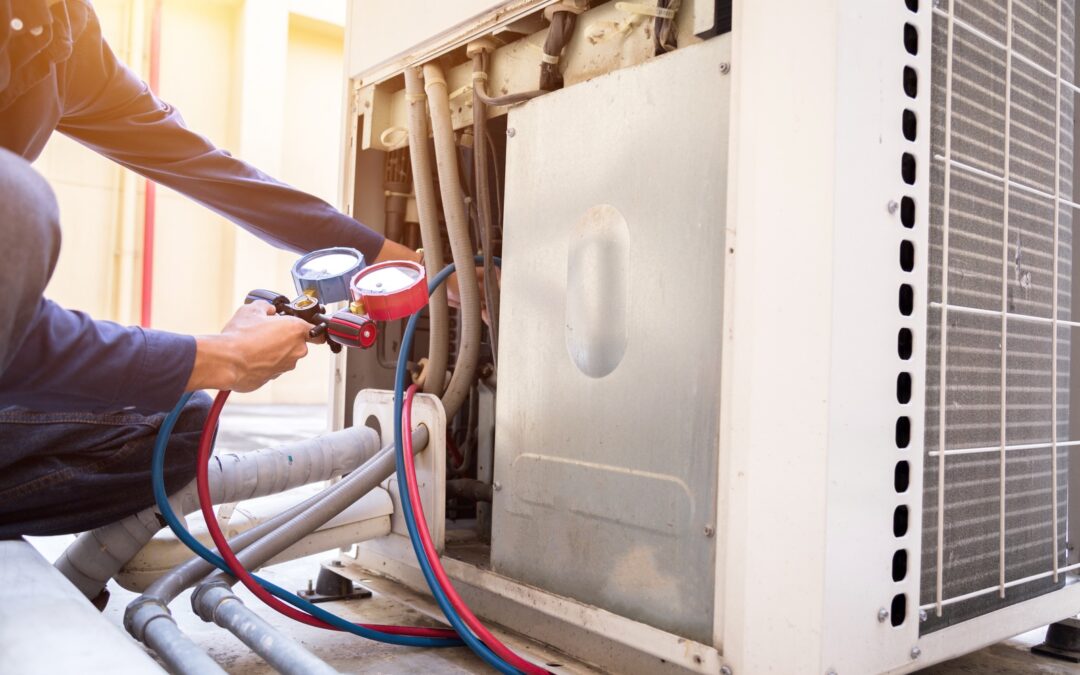
As a homeowner, understanding the basics of air conditioner refrigerant is a great way to take control of your HVAC maintenance. When you have a better grasp on what your system needs and how potential issues can arise, you can save money, avoid uncertainty, and keep yourself from getting squeezed by shady businesses.
There are a lot of common misconceptions about different types of air conditioning refrigerant, so it’s important to distinguish between fact and fiction. What kind of refrigerant can your system use? Is there such a thing as illegal refrigerant? Who can buy refrigerant and charge appliances with it?
As a local HVAC business in Orem, Utah, we get questions like these all the time. Here are some quick facts and answers that we think are useful for Utah homeowners to know.
What Air Conditioner Refrigerant Types Should I Know About?
Refrigerants and the regulations around them have changed significantly over the last several decades, mainly due to environmental concerns. New refrigerants meant for systems being manufactured today are much more eco-friendly. Here are some of the most widely used types of refrigerant from the last 20 years.
R-22, commonly known as Freon, is an older type of refrigerant that began its U.S. phase-out process in 2010. This was because greenhouse gases produced by R-22 damage the ozone layer when they reach the stratosphere. Today, R-22 is banned from being produced or shipped into the U.S., but there are older systems that continue to use it.
R-410A became the most common refrigerant for AC in residential systems after new R-22 equipment was banned in 2010. But since then, more efficient and eco-friendly options have been developed. A ban on manufacturing new systems that use R-410A started in 2025. While it’ll still be available for years to come, its supply will eventually become depleted like R-22 is now.
R-454B is the new refrigerant that residential AC appliances being manufactured today are meant to use. It doesn’t deplete the ozone layer, and it’s more energy efficient than earlier solutions. However, unlike R-454B, it’s flammable. That’s just another reason why DIY is not a good idea when refrigerant is in the picture–you need to be certified to handle refrigerant.
What Kind of Refrigerant is in My System?
Different refrigerants can’t be used interchangeably in one air conditioning system or heat pump. They can only be charged with the type they were manufactured to use, and that’s part of the reason why the EPA allows continued use of older systems.
To find out which refrigerant your air conditioner or heat pump needs, it’s usually found on the unit’s nameplate. But if it isn’t, you can find out from the owner’s manual. You can also try contacting the provider that services your unit or looking up the model number on the manufacturer’s website.
Is R-22 (Freon) Illegal?
Maintaining an older air conditioner or heat pump that uses R-22 is not illegal. If it still works, you don’t have to replace it. However, you wouldn’t be able to buy new R-22 equipment today.
Manufacturing new equipment that uses R-22 was banned starting in 2010, and in 2020, production and import of R-22 itself was brought to a complete stop. R-22 still exists in the U.S., but it’s recovered from decommissioned systems and recycled. Since its supply is pretty limited, it can get expensive to recharge older systems that still need it.
What If My AC Uses an Older Refrigerant?
If your AC uses R-22, it’s likely an older unit nearing the end of its lifespan. You can continue to have it maintained and recharged with refrigerant as needed, but R-22’s limited quantities will only make this less cost-effective as time goes on. The point will probably come soon where you can save money on maintenance and utility bills by replacing the unit with a more efficient one.
If you want to try to mitigate environmental effects from your AC, whether it uses R-22 or R-410A, make sure it’s serviced each year and any refrigerant leaks are repaired, not just topped off. Ask your technician about the right HVAC filter for your system’s needs, and replace the filter regularly.
CSA HVAC Services Provides Expert HVAC Maintenance in Central Utah
A section 608 certification is required to install and dispose of AC units, as well as anything having to do with purchasing or handling refrigerant. That’s why it’s important to find a reputable provider that’s licensed and insured.
CSA HVAC Services has brought their licensed expertise to homes in central Utah since 2014. As a local, family owned business, we’re deeply familiar with Orem HVAC needs, and we love helping our community.
If you have questions about your refrigerant or are looking for AC maintenance Utah residents trust, reach out to us at (801) 874-5686 or fill out the contact form here on our website.