
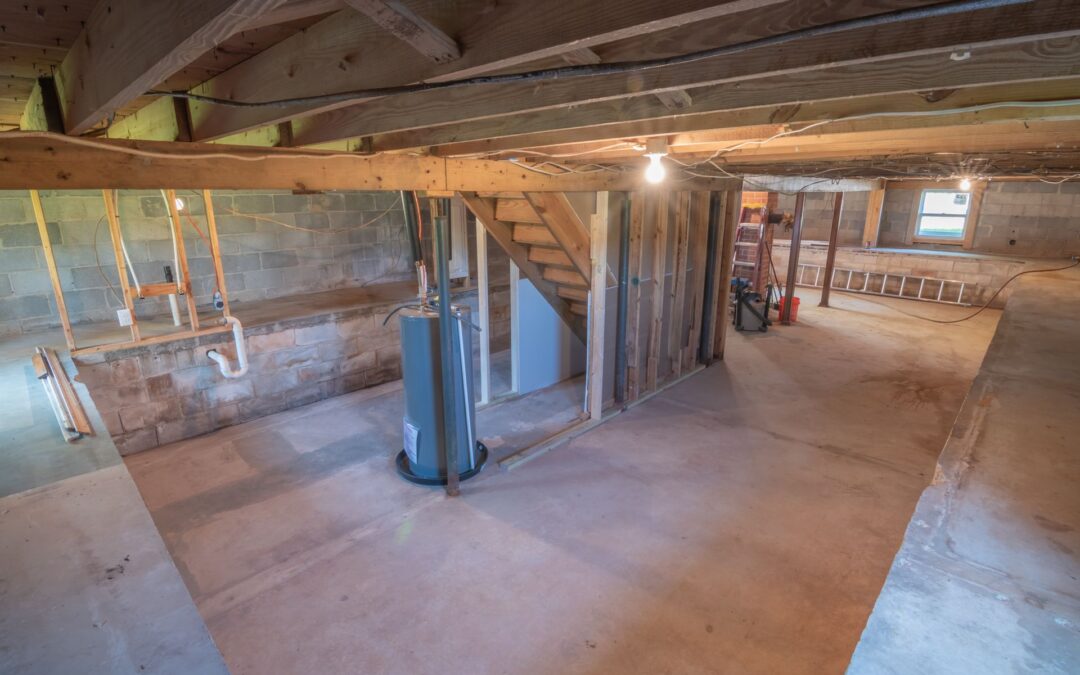
If you’re looking into finishing your basement in central Utah, you probably have a complex web of permits, contractors, and coordination to look forward to. Getting things up to code with ventilation, dimensions, electric, mechanical, and plumbing are just some of the concerns involved. However, when it comes to HVAC, there’s one question that should be asked before any work begins: is your ductwork ready for a basement finish?
Here are some tips for basement HVAC duct installation, including things you might be able to do on your own and things that are better left to the professionals.
Mechanical Code and Safety Considerations
Utah homes are required to follow both the International Residential Code (IRC) and the Utah Mechanical Code (UMC). These give specifications for heat runs and returns, bathroom and kitchen exhaust, dryer vents, gas appliances, duct protection, and more.
To maintain these safety standards, one of the first parts of any basement finish is applying for a building permit. This process will vary depending on what city you live in. If you hire a contractor, the responsibility of arranging permits and inspections goes to them. If the property is a rental, getting a contractor might be mandatory depending on the context.
DIY Basement HVAC VS HVAC Contractor
DIY construction is more popular in Utah than it is in most other states. Doing it yourself can save you a lot of money when you’re a skilled laborer, but for the average homeowner without much experience building HVAC systems, it can open up unnecessary safety risks and potential future problems resulting from poor-quality workmanship.
If you’re wondering about which HVAC-related tasks are safest to do on your own, duct calculation and putting in heat runs might be your best bet. Cheap duct calculators are easily available online–you can use those to match up the duct sizes. A good rule of thumb is one 6-inch heat run and one 6-inch return per bedroom. For larger living areas, it’s usually best to put in two 8-inch heat runs; just make sure the duct can carry the air all the way down.
Anything to do with electric, gas, or refrigerant is where you need a contractor the most. Certifications are required to purchase and handle most of these materials, so unless you’re a certified professional, DIY is not recommended.
Temperature Zoning: The Best Route for Optimal Comfort
Although it will cost more, a zoned system is the best way to ensure precise temperature control in your finished basement. Heat rises, leaving basements cold and upper floors hot in homes with traditional systems. However, a zoned system gives each level of the home its own thermostat, allowing for personalized adjustments and better control of your comfort.
Zoning is a great option when your current ductwork isn’t ready to support the heat load of a finished basement. But since every home is different, it’s best to ask licensed HVAC contractors in Utah for personalized recommendations first.
An HVAC Contractor You Can Trust: CSA HVAC Services Makes Basement Finishing Simple
Getting your basement finished can be simple with the right resources. CSA HVAC Services is here to help with our comprehensive approach, expert HVAC duct repair and HVAC air duct sealing, and over 12 years of experience working on central Utah homes.
We’re licensed and insured, and our 4.9 stars on Google Reviews show just how much our customers love and trust us. Whether you’re neck-deep in finishing a basement or still collecting quotes, we’re here for you with clarity and honesty.
Give us a call at (801) 874-5686 or fill out the contact form here on our website – let’s get in touch!