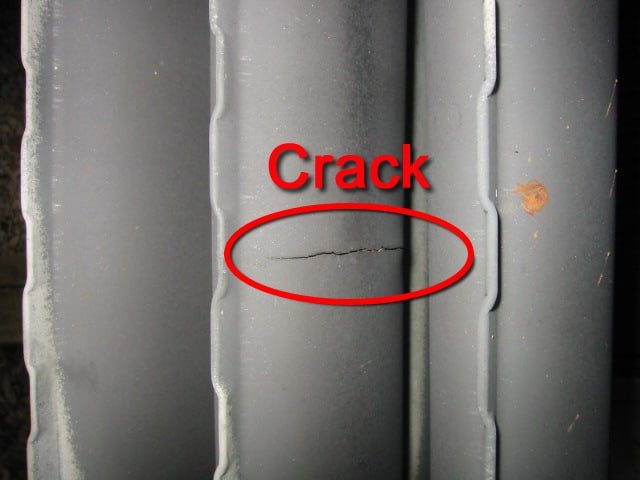
If you have an aging furnace (think older than 10 years) there may come a day when you schedule a maintenance call and the HVAC technician breaks some terrible news: you have a cracked heat exchanger. Therefore, your furnace is no longer safe to use, and must be condemned and replaced.
You might have a lot of questions on your mind. How can one little crack be the reason for such a catastrophic failure? How do you know your technician isn’t bending the truth just to win an expensive upsell? And most importantly, what do you need to do to make sure your family remains safe and comfortable?
From our local business to your home, here are some professional tips and recommendations we give to homeowners looking for heating repair Utah can trust.
What Is a Heat Exchanger and What Does it Do?
A heat exchanger is a series of metal tubes connected to a furnace’s combustion chamber. Widely considered the heart of the furnace, it transfers heat while acting as a safety barrier between toxic exhaust gases and breathable air.
In common gas-powered furnaces, the heating process begins when natural gas or propane is ignited in the combustion chamber, producing hot combustion gases. These gases move through the heat exchanger, heating up the metal walls. The blower fan then moves cool air from your house over the outside of the hot tubes, warming the air and circulating it through your living space.
As long as the heat exchanger remains sealed, toxic combustion byproducts like carbon monoxide will never touch the air inside your home. But as the exchanger expands and contracts over the years, it wears down, making cracks and rusting more likely. If a crack appears, it isn’t possible to patch it safely, so this event is always considered a catastrophic equipment failure.
Signs of Cracked Heat Exchanger in Furnace
If you notice issues like these when your furnace is on, they may be signs of cracked heat exchanger in furnace and/or gas leakage:
- Strange smells like burning, formaldehyde, or rotten eggs
- Banging or rattling noises
- Water around the furnace base
- A flickering pilot light that is yellow or orange (it should be blue and steady)
- Soot around the burners or flue
The problem with carbon monoxide is that you can’t detect it with your senses alone. It’s odorless and colorless, and its effects on the body are often confused with flu symptoms. Most homeowners don’t immediately connect flu-like symptoms with HVAC issues, so carbon monoxide alarms serve as a line of defense before levels become life-threatening. Make sure these alarms are installed on every floor of your home, and test the batteries regularly.
If you suspect you might have a carbon monoxide leak, turn off the furnace, open windows to ventilate the house, and move affected people outside to fresh air. Have a licensed HVAC technician inspect your system as soon as possible.
To catch potential issues before they become emergencies, it’s best to have gas-powered furnaces professionally serviced at least once a year. If you have the system inspected and catch a cracked heat exchanger before heating season sets in, you avoid the risk of carbon monoxide poisoning and won’t have to spend time in the cold while you’re arranging a furnace replacement.
What to Expect When You Have a Heat Exchanger Crack
HVAC technicians can check carbon monoxide levels with detectors that are more sensitive than the standard alarms mounted in most homes. If they discover a heat exchanger crack, they’re required to do their part in keeping the family safe.
Depending on state laws and company policies, the technician will typically shut the system down, turn off the gas valve, and tag the furnace as condemned. They should collect pictures and evidence of the cracked heat exchanger, ensure the homeowner understands the safety risk, and explain the next steps.
Since it isn’t possible to repair a cracked heat exchanger, your options come down to:
- Replace the furnace
- Replace the heat exchanger.
However, replacing the furnace is almost always the more cost-efficient solution. To replace the heat exchanger alone, the furnace must be disassembled and put back together again—an expensive, labor-intensive process. Furthermore, if the heat exchanger has failed, that means the furnace is likely an old one with many other parts also on their way out. You’ll spend less and have more peace of mind when you buy a new system that will last for years to come.
Am I Being Scammed Into Buying a New Furnace?
A new furnace is a big investment, so how do you know if it’s actually necessary? There are some sketchy technicians out there who might bend the truth to win an upsell, so you should always communicate thoroughly with your technician and request evidence of the cracked heat exchanger.
If the crack is real, you’re not being scammed. Some things just aren’t worth the risk, and downplaying this kind of equipment failure definitely falls into that category.
Nonetheless, any time you’re recommended a system changeout for any reason, it’s never a bad idea to get a second opinion. Confirm the diagnosis, then collect some quotes for furnace replacement UT residents trust and see which companies offer price matching. Familiarize yourself with your equipment’s warranties—a qualified technician can help with this. Keep in mind that a smaller, locally owned company is more likely to give you a lower price than a large franchise.
CSA HVAC Services Helps Keep Utah Homes Safe and Comfortable
CSA HVAC Services covers Utah County, Salt Lake County, and neighboring areas, providing licensed HVAC repair that keeps families safe. As a local, family owned business, we understand the unique needs of homes in this area, and we love helping our community.
Whether you’ve found yourself in need of a new furnace or you just want to know if your system will make it through this winter, we’re here to help with quick, honest service and great prices. Call (801) 874-5686 or fill out the contact form here on our website to schedule your free consultation!